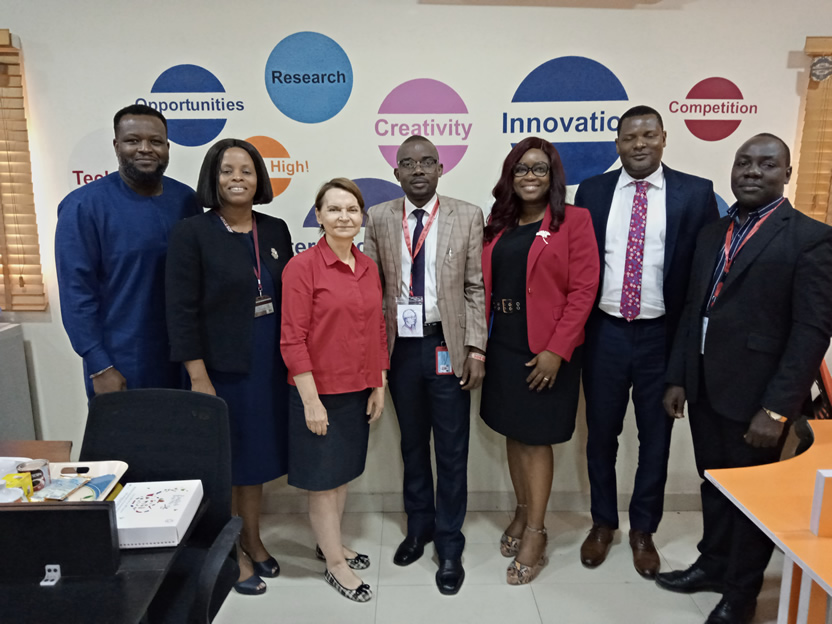
ARUA Centre of Excellence for Unemployment and Skills Development (ARUA-USD, CoE)
The Challenge: Africa’s Youth Unemployment Crisis
Youth unemployment remains a critical challenge dominating global development agendas. In 2016, over 600 million youths (aged 15–35) were unemployed, constituting roughly 47.1% of the global population. This crisis is disproportionately severe in Africa.
While Africa’s rapidly growing youth population—projected to exceed 840 million by 2050—should be its greatest asset, it currently represents a looming time bomb if urgent, deliberate steps are not taken.
The Stark Realities of the Job Market:
Regional Rates: Youth unemployment averages 23.5% in Sub-Saharan Africa (ILO, 2018) and 30% in North Africa (ILO, 2016).
Country-Specific Rates (2017): South Africa (53.7%), Egypt (34.43%), Nigeria (33.1%), and Kenya (26.21%).
The Job Deficit: Africa currently has nearly 420 million youths. Over 140 million are unemployed, and another 140 million are vulnerably employed.
The Annual Backlog: Each year, over 12 million youths enter the workforce seeking wage employment, yet only 3.1 million jobs are created. This leaves a yearly backlog of nearly 9 million unemployed youths.
This severe deficit exacerbates both domestic and global challenges, including mass illegal migration, social exclusion, pervasive poverty, low economic growth, and intergenerational conflict.
The Initiative: Transforming Crisis into Opportunity
The African Research Universities Alliance (ARUA) Centre of Excellence for Unemployment and Skills Development (ARUA-USD, CoE), located at the University of Lagos, was established to build a comprehensive, international stakeholder partnership.
Our Core Mission: To tackle the crisis of youth unemployment in Africa through a holistic strategy centered on entrepreneurship and skills development. We aim to re-orient the youth away from seeking scarce wage employment and toward self-reliance, giving them the confidence and skills to create jobs and become employers themselves.
Our Approach:
Global Networking: Employing sustainable collaboration among multinational stakeholders, ARUA member countries, and international partners.
Research & Advocacy: Conducting continuous research to identify the root causes of unemployment and utilizing the findings to stimulate government intervention, civil society commitment, and private sector consciousness.
Knowledge Exchange: Collaborating with professionals and experts from the Global North who have successfully utilized innovative measures to enhance young people’s productive capacities.
Addressing the multi-faceted causes of youth unemployment will not only drive inclusive economic growth but will also finally allow the continent to draw real economic dividends from its youth-concentrated demographic.
Specific Objectives of the ARUA-USD, CoE
To achieve its primary goal of eradicating youth unemployment, the Centre is dedicated to the following actionable objectives:
Fostering Expert Collaboration: Engender strong partnerships among researchers and experts focusing on entrepreneurship and skills development as primary intervention tools.
Capacity Building: Train young faculty members via doctoral and postdoctoral programs—in partnership with ARUA universities and global partners—to build a dedicated team of experts continuously researching youth unemployment and innovative solutions.
Stakeholder Engagement: Host annual conferences, workshops, and seminars that bring “town and gown” (academia and the public) together to collaboratively build up African youth.
Youth Empowerment: Equip African youth with the necessary entrepreneurial skills for self-reliance to actively fight unemployment and poverty.
Promoting Innovation: Champion design thinking and entrepreneurial innovation to ignite collaborative research that uncovers Africa’s hidden economic treasures.
Venture Creation: Discover and develop creativity in students and faculty to drive product development and new business ventures, fostering globally competitive companies of African origin.
Building a Support Network: Establish a broad coalition of African governments, multinational corporations, industry leaders, NGOs, and development agencies committed to advancing youth employment solutions.
International Mobility: Enhance knowledge-sharing and brainstorm structural policies by facilitating researcher mobility across Africa, the UK, and North America.
Incubation & Acceleration: Establish state-of-the-art Incubation and Accelerator Centres to help transition ideation and start-ups into regional business champions.
Student’s Entrepreneurship Ideas (SEI): Encourage clusters of undergraduates to work in teams, turning ideas into reality through venture creation, thereby depopulating the future unemployment demographic.
Scale-Up Training: Provide continuous training opportunities for existing African entrepreneurs focusing on capacity building, business development, and scaling strategies.